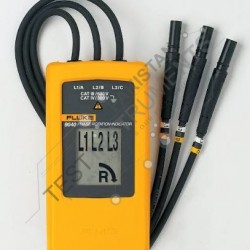
Electrical Power Tester in Pakistan | Professional Electrical Testing Equipment
Looking for a reliable Electrical Power Tester in Pakistan? Test Instruments Pakistan offers a range of electrical testing instruments for electricians, electrical engineers, maintenance technicians, industrial professionals and power system specialists.
Our collection includes non-contact voltage detectors, digital phase sequence testers, motor rotation indicators and power quality analyzers for different electrical inspection and troubleshooting requirements.
Whether you need to detect AC voltage, verify three-phase rotation or analyze electrical power conditions, explore our range and select an instrument according to your application.
Electrical testing equipment plays an important role in electrical installation, maintenance, troubleshooting and power system monitoring. Choosing the correct tester helps professionals obtain relevant measurements, identify potential electrical problems and assess equipment performance.
At Test Instruments Pakistan, you can explore electrical power testing instruments from recognized brands, including Fluke, Mastech, Lutron, Wintact and other manufacturers. Product specifications, prices and availability may vary by model.
Explore Electrical Power Tester Categories
Our Electrical Power Tester collection is organized into three main categories. Each category serves a different electrical testing purpose.
1. Digital Phase Sequence and Motor Rotation Indicator
Phase sequence testers and motor rotation indicators are designed to identify the phase order and rotation direction in three-phase electrical systems. They are useful when installing or checking three-phase motors, pumps and industrial equipment.
Explore Phase Sequence Testers
2. Pen Type Voltage Detector
Non-contact voltage detector pens help identify the presence of AC voltage near suitable wires, terminals and electrical outlets without making direct electrical contact. They are convenient for preliminary electrical inspections.
Explore Pen Type Voltage Detectors
3. Power Quality Analyzer
Power quality analyzers are used to monitor and evaluate electrical supply characteristics. Depending on the model, they can measure voltage, current, frequency, power, power factor, harmonics and energy-related parameters.
Explore Power Quality Analyzers
Professional Electrical Testing Solutions
Different electrical applications require different instruments. From quick voltage detection to detailed three-phase power analysis, select a tester based on the measurements and safety requirements of your work.
View All Electrical Power Testers
Types of Electrical Power Testers and Their Applications
Non-Contact AC Voltage Detector
A non-contact voltage detector is a portable instrument used to identify the presence of AC voltage without touching an exposed conductor directly. These testers are commonly designed in a pen-style body and may provide visual, audible or vibration alerts.
Common applications include:
- Preliminary checking of AC voltage in electrical wiring.
- Identifying potentially live wires and terminals.
- Checking suitable electrical outlets and power cords.
- Electrical maintenance and troubleshooting.
- Quick inspection work by electricians and technicians.
Some examples listed on our website include Fluke 1AC-C2 II, Fluke 2AC-C2, Mastech MS8902B and Wintact WT3010. Their detection ranges and features differ by model.
Digital Phase Sequence Tester
A digital phase sequence tester checks the order of phases in a three-phase electrical supply. Correct phase sequence is important for applications involving three-phase motors and other rotating equipment.
These instruments can help technicians:
- Identify the phase sequence in three-phase systems.
- Check phase rotation before connecting equipment.
- Identify certain missing or open-phase conditions, depending on the tester.
- Support electrical installation and maintenance procedures.
Examples available in the category include Fluke 9040, Mastech MS5900 and SM852B. Always check the individual model's measurement range and operating instructions before use.
Motor Rotation Indicator
A motor rotation indicator helps determine the direction of rotation associated with a three-phase electrical supply or motor connection. It is useful during installation, commissioning and maintenance of motors, pumps, compressors and industrial machinery.
Incorrect phase connections can cause a three-phase motor to rotate in the opposite direction from the intended direction. A suitable phase rotation tester helps verify the sequence before equipment is placed into operation.
Three-Phase Power Quality Analyzer
A three-phase power quality analyzer is an advanced instrument used to assess electrical supply conditions in commercial and industrial installations. Depending on its capabilities, it may measure and record multiple electrical parameters over a selected period.
Typical measurement functions may include:
- AC voltage and current.
- Active power (kW).
- Reactive power (kVAR).
- Apparent power (kVA).
- Power factor.
- Frequency (Hz).
- Energy consumption (kWh).
- Voltage and current harmonics, where supported.
- Voltage and current imbalance, where supported.
Not every analyzer supports all these functions. Always review the specifications of the selected model.
Popular Electrical Power Tester Models
Explore some examples from the Electrical Power Tester and Power Quality Analyzer categories at Test Instruments Pakistan. These models cover different testing requirements, from basic voltage detection to advanced electrical monitoring.
| Brand / Model | Instrument Type | Typical Application |
|---|
| Fluke 1AC-C2 II | Non-contact voltage tester | Preliminary AC voltage detection |
| Mastech MS8902B | AC voltage detector | Non-contact voltage detection with audible and visual alerts |
| Wintact WT3010 | Digital AC voltage detector | Voltage detection with selectable sensitivity and alarm indications |
| Fluke 9040 | Phase rotation indicator | Three-phase phase sequence checking |
| Mastech MS5900 | Motor and phase rotation indicator | Three-phase phase sequence and motor rotation checks |
| SM852B | Three-phase sequence tester | Phase sequence and phase presence indication |
| Lutron DW-6092 | Three-phase power analyzer | Electrical power measurement and analysis |
| Fluke 1732 | Three-phase electrical energy logger | Electrical energy studies and load monitoring |
| Fluke 1736 / 1738 | Three-phase power quality loggers | Power monitoring and electrical energy studies |
| Fluke 1775 | Power quality analyzer | Advanced power quality investigation |
Note: The models above are examples found in the website's category listings. Prices, stock status, included accessories and availability can change. Please check the individual product listing or contact our team for the latest information.
Difference Between Voltage Detector, Phase Sequence Tester and Power Quality Analyzer
Although these instruments are used in electrical work, they are designed for different purposes. Understanding their functions helps you choose the right electrical testing equipment.
| Instrument | Main Purpose | Typical User |
|---|
| Non-contact voltage detector | Detects the presence of AC voltage without direct contact | Electricians and maintenance technicians |
| Phase sequence tester | Checks the phase order in three-phase systems | Industrial electricians and motor technicians |
| Motor rotation indicator | Identifies the rotation direction associated with a three-phase supply or motor | Motor installation and maintenance professionals |
| Power quality analyzer | Measures and records electrical supply and power quality parameters | Electrical engineers and energy auditors |
| Energy logger | Records electrical energy and load parameters over time | Facility managers and industrial engineers |
What Does a Power Quality Analyzer Measure?
A power quality analyzer evaluates electrical parameters to help users understand how an electrical system is performing. The exact measurement functions depend on the instrument's design and specifications.
Voltage and Current
Voltage and current measurements help users assess electrical supply levels and load conditions. Multi-channel analyzers may support measurements across multiple phases and neutral conductors.
Active, Reactive and Apparent Power
Power analyzers may measure different forms of electrical power:
- Active power (kW): The power converted into useful work, heat or other forms of energy.
- Reactive power (kVAR): Power that moves between the source and reactive components such as inductors and capacitors.
- Apparent power (kVA): The combined effect of voltage and current in an AC system.
Power Factor
Power factor indicates the relationship between active power and apparent power. It is an important parameter for evaluating how effectively electrical power is being used in an AC system.
Frequency and Harmonics
Frequency measurement helps assess the supply frequency, while harmonic analysis can identify waveform distortion caused by non-linear electrical loads. Harmonic measurement is available only on analyzers that specifically support it.
Energy Consumption
Energy logging instruments can record electricity consumption over time. This information can support energy audits, load profiling and the evaluation of energy-saving measures.
Applications of Electrical Power Testing Equipment
Electrical power testers are used in many industries and working environments. The correct instrument depends on the electrical system and the type of inspection being performed.
- Industrial facilities: Electrical maintenance, motor installation and power system monitoring.
- Commercial buildings: Electrical inspections and troubleshooting of distribution systems.
- Electrical contractors: Preliminary voltage detection and phase sequence verification.
- Power distribution: Monitoring electrical parameters and investigating supply conditions.
- Manufacturing plants: Checking three-phase motors, production equipment and electrical loads.
- HVAC systems: Electrical troubleshooting and inspection of suitable equipment connections.
- Energy audits: Recording power and energy data to evaluate consumption patterns.
- Maintenance departments: Routine electrical checks and fault investigation.
How to Choose the Right Electrical Power Tester
Before purchasing an electrical power tester, consider the type of electrical system, measurement requirements and working environment. The following points can help you select a suitable instrument.
1. Identify Your Testing Requirement
First, decide what you need to measure or inspect. A voltage detector is suitable for preliminary AC voltage detection, while a phase sequence tester is intended for checking three-phase phase order. For detailed electrical system analysis, consider a power quality analyzer.
2. Check the Measurement Range
Review the instrument's voltage range, current range, frequency range and other relevant measurement limits. Select a model that is appropriate for the electrical system you intend to test.
3. Review the Safety Category
Check the instrument's measurement category and maximum rated voltage. CAT ratings such as CAT II, CAT III and CAT IV indicate different measurement environments and transient protection requirements. Choose equipment appropriate for the intended measurement location.
4. Consider Display and Alarm Features
Digital displays, LED indicators, audible alarms, backlighting and adjustable sensitivity can improve usability. Choose features according to the working environment and testing requirements.
5. Check Data Logging and Software
For long-term electrical monitoring, check whether the analyzer supports data logging, internal memory, communication interfaces and compatible software. These features are especially useful for energy audits and industrial power studies.
6. Verify Accuracy and Calibration Requirements
Compare the specified accuracy and resolution of different models. For professional measurement work, follow the manufacturer's calibration recommendations and applicable workplace quality procedures.
7. Confirm Accessories and Availability
Check the included test leads, voltage probes, current clamps, flexible probes, carrying case, software and other accessories. Confirm current stock status, delivery time and product specifications before placing an order.
Electrical Power Tester Price in Pakistan
The Electrical Power Tester price in Pakistan varies according to the instrument type, brand, measurement range, accuracy, safety rating and additional features.
Basic non-contact voltage detector pens are generally more affordable than advanced three-phase power quality analyzers. Phase sequence indicators and motor rotation testers fall into different price ranges depending on their capabilities and design.
Power quality analyzers may cost more because they can offer multiple measurement functions, data recording, advanced analysis and specialized accessories.
For the latest prices, product availability and quotations, browse our category listings or contact Test Instruments Pakistan.
Related Electrical Testing Instruments
Depending on your application, you may also need other electrical measurement and safety testing instruments. Explore these related categories to find suitable equipment for your work.
- Digital Multimeters – for measuring voltage, current, resistance, continuity and other electrical parameters supported by the model.
- Clamp Meters – for measuring current using a clamp around a suitable conductor, with additional functions depending on the model.
- Power Wattage and Energy Monitors – for monitoring electricity consumption, power and energy-related parameters.
- Earth Ground Resistance Testers – for testing grounding system and earth electrode resistance.
- Insulation Testers – for measuring electrical insulation resistance using a specified test voltage.
Why Choose Test Instruments Pakistan?
Test Instruments Pakistan provides a range of testing and measurement instruments for professionals, businesses, laboratories and industrial users across Pakistan.
- Wide product range: Explore voltage detectors, phase sequence indicators and power quality analyzers.
- Recognized brands: Browse instruments from manufacturers such as Fluke, Mastech, Lutron and Wintact, subject to current listings.
- Product information: Review available specifications and features to compare suitable instruments.
- Customer assistance: Contact our team for product information and quotation requests.
- Nationwide delivery: Delivery options are available across Pakistan, subject to order and shipping arrangements.
Whether you are looking for a digital voltage detector, a phase rotation tester or a professional power analyzer, explore our collection to find an instrument that meets your testing requirements.
Browse now: Electrical Power Tester in Pakistan
Frequently Asked Questions About Electrical Power Testers
1. What is an electrical power tester?
An electrical power tester is an instrument used to inspect or measure electrical conditions such as voltage, phase sequence, motor rotation, current, power and energy. The exact function depends on the type of tester.
2. What is the price of an electrical power tester in Pakistan?
The price depends on the instrument type, brand, measurement range, accuracy and features. Basic voltage detector pens are generally more affordable than advanced three-phase power quality analyzers. Check the product listings at Test Instruments Pakistan for current prices and availability.
3. Which electrical tester is used to detect voltage?
A voltage detector or voltage tester is used to identify the presence of electrical voltage. A non-contact voltage detector pen can detect AC voltage near suitable conductors without direct electrical contact. A properly rated multimeter can measure voltage values.
4. What is a non-contact voltage detector?
A non-contact voltage detector is a portable electrical testing instrument that senses the presence of AC voltage without requiring direct contact with an exposed conductor. Many models use LED indicators and audible alarms to alert the user.
5. Is a non-contact voltage tester accurate?
A non-contact voltage tester is designed primarily to indicate the presence of AC voltage, not to provide an exact voltage measurement. Its response can be affected by conductor shielding, distance, sensitivity and surrounding electrical conditions. Use a suitable rated instrument for voltage measurement.
6. What is a phase sequence tester used for?
A phase sequence tester checks the order of phases in a three-phase electrical supply. It helps technicians verify phase rotation before connecting or operating three-phase motors and other equipment.
7. What is a motor rotation indicator?
A motor rotation indicator is an electrical testing instrument used to determine the rotation direction associated with a three-phase supply or motor connection. It helps verify correct phase connections during installation and maintenance.
8. What happens if the phase sequence is incorrect?
An incorrect phase sequence can cause a three-phase motor to rotate in the opposite direction from the intended direction. This may affect pumps, fans, compressors and other rotating equipment. Verify phase sequence before operation according to the equipment manufacturer's instructions.
9. What is a power quality analyzer?
A power quality analyzer is an instrument used to measure and analyze electrical supply parameters. Depending on its model, it may measure voltage, current, frequency, active power, reactive power, power factor, harmonics and energy consumption.
10. What does a three-phase power analyzer measure?
A three-phase power analyzer can measure electrical parameters across three-phase systems. Depending on its capabilities, these may include phase voltage, current, active power, reactive power, apparent power, power factor, frequency, energy and harmonics.
11. What is the difference between a power meter and a power quality analyzer?
A power meter generally measures electrical power and related parameters. A power quality analyzer offers additional functions for investigating supply conditions, such as harmonics, voltage variations, imbalance and event recording, depending on the model.
12. Can a power quality analyzer measure harmonics?
Yes, many advanced power quality analyzers support harmonic measurement and analysis. However, this function is not available on every power meter or analyzer. Check the instrument's specifications for harmonic measurement capability and supported ranges.
13. What is the difference between kW, kVA and kVAR?
kW represents active power, which performs useful work. kVA represents apparent power, while kVAR represents reactive power associated with energy exchange between the source and reactive components in an AC circuit.
14. What is the difference between a voltage detector and a digital multimeter?
A voltage detector generally indicates whether AC voltage is present, often without direct contact. A digital multimeter can measure actual voltage values and may also measure current, resistance, continuity and other parameters depending on its functions.
15. Can an electrical power tester be used for three-phase systems?
Some electrical power testers are specifically designed for three-phase systems, including phase sequence indicators and three-phase power analyzers. Always verify the instrument's rated voltage, measurement category, connection method and supported system configuration.
16. What is the difference between a phase sequence tester and a phase presence tester?
A phase sequence tester identifies the order of phases in a three-phase supply. A phase presence tester indicates whether the required phases are present. Some instruments combine both functions, but their capabilities depend on the model.
17. Which electrical tester is best for industrial use?
The best instrument depends on the industrial application. A phase sequence tester is useful for checking three-phase connections, a voltage detector is suitable for preliminary voltage detection, and a power quality analyzer is appropriate for detailed electrical system monitoring.
18. What safety rating should I check before buying an electrical tester?
Check the measurement category, such as CAT II, CAT III or CAT IV, along with the maximum rated voltage and the manufacturer's safety instructions. Select an instrument suitable for the electrical environment and measurement location.
19. Can a non-contact voltage detector prove that a circuit is safe?
No. A non-contact voltage detector is a preliminary checking tool and cannot by itself prove that a circuit is de-energized or safe to work on. Follow approved isolation and lockout procedures, and verify the absence of voltage using an appropriately rated tester and the prescribed safe-testing procedure.
20. Where can I buy an electrical power tester in Pakistan?
You can explore voltage detector pens, phase sequence testers, motor rotation indicators and power quality analyzers at Test Instruments Pakistan. Visit our Electrical Power Tester category to review available products and contact our team for current prices and product information.